Class Images - Meteorology 455
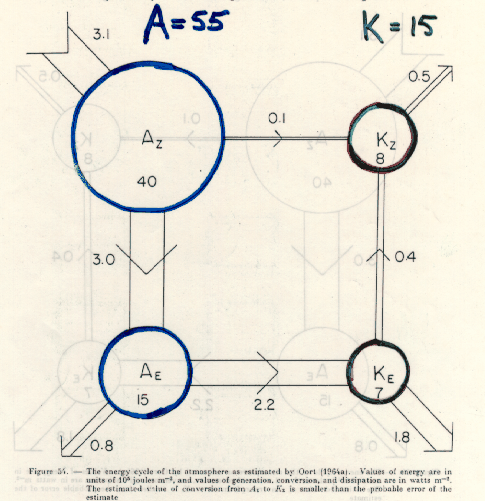
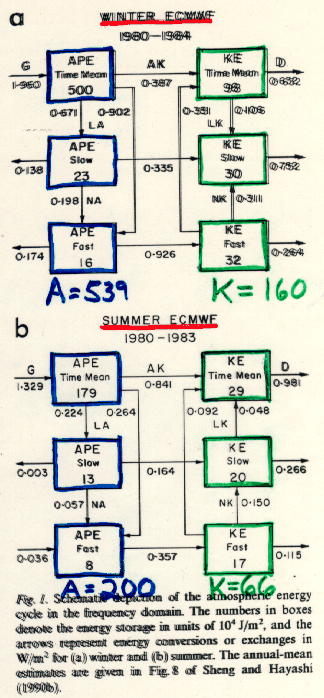
The Energy Cycle
- An
early estimate of the energy cycle
-
The energy cycle computed from ECMWF analyses
Observed General Circulation and Related Fields
-
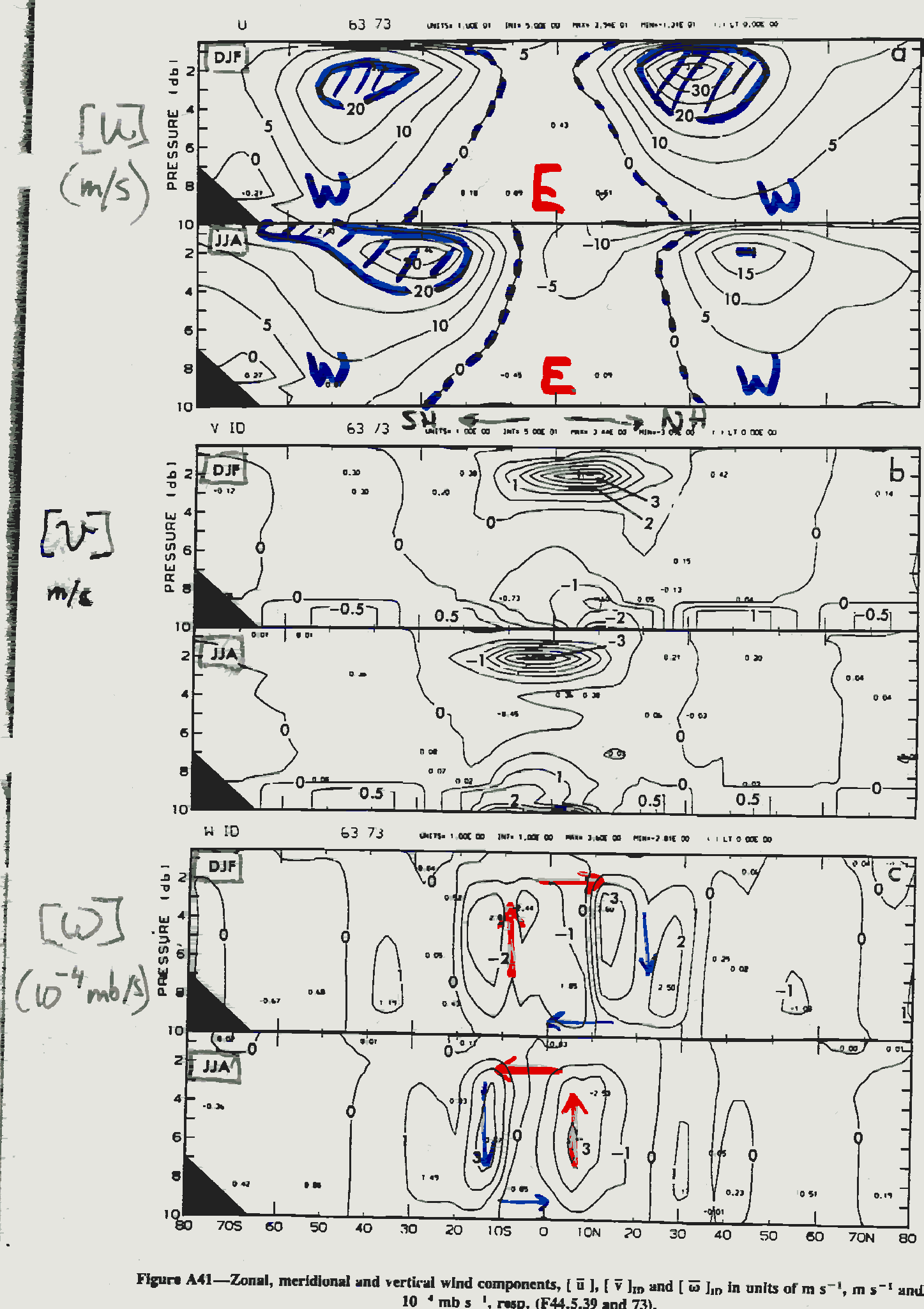
DJF & JJA zonal average winds
-
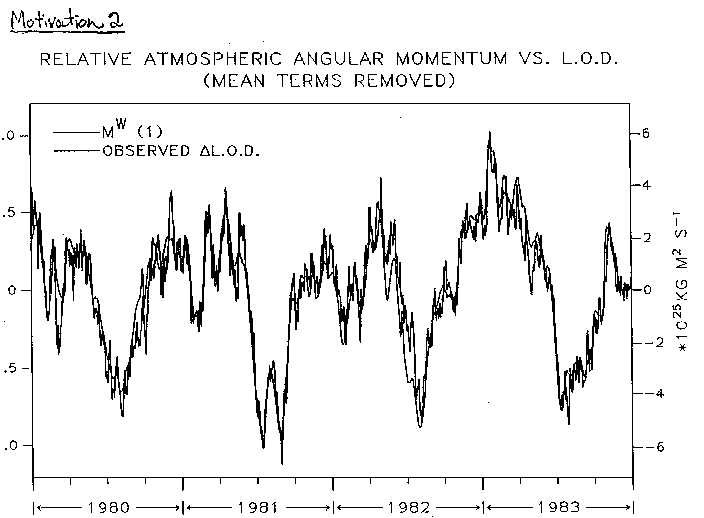
Relative angular momentum vs. length of day
-
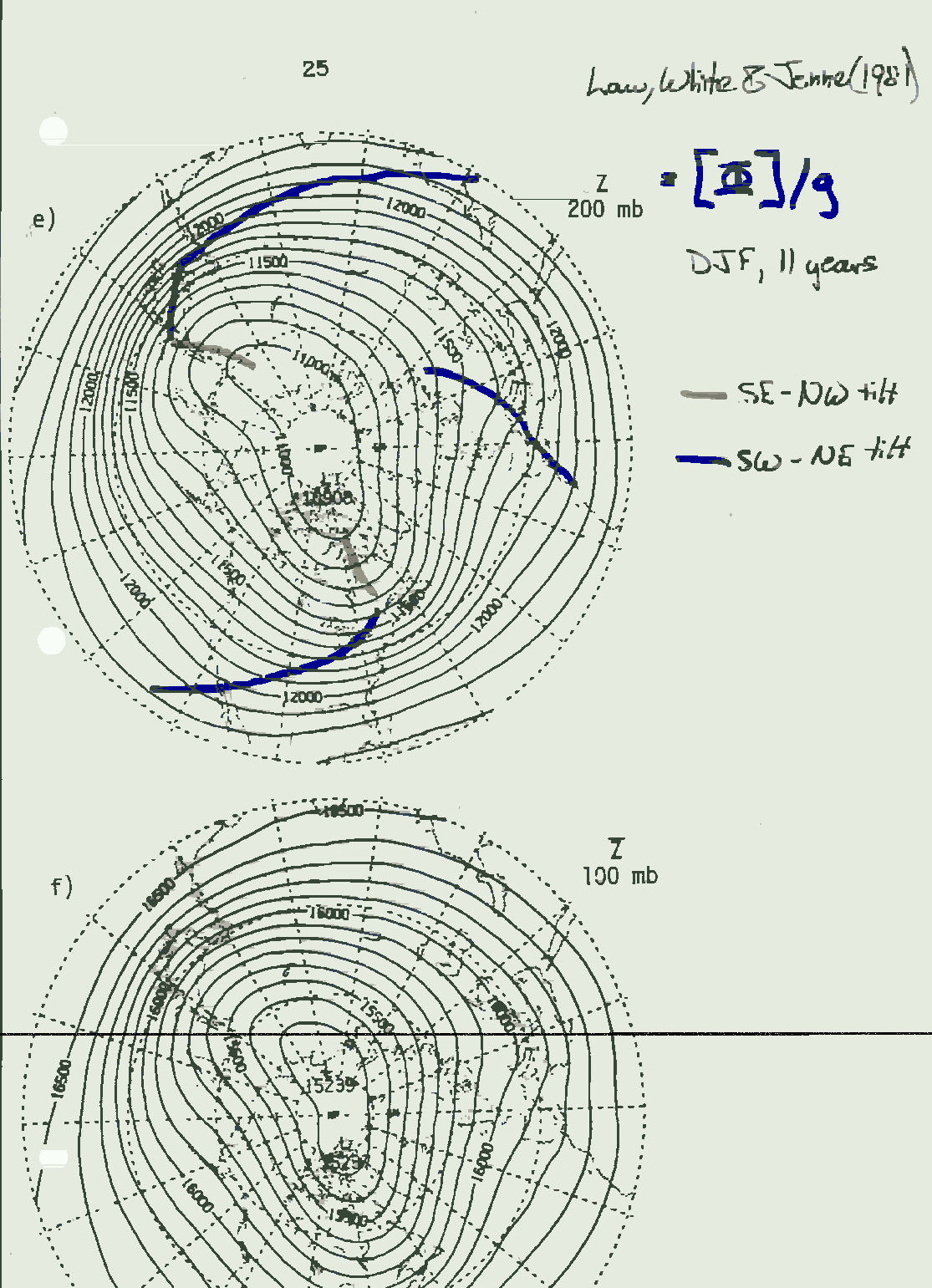
200 hPa geopotential height (DJF)
-
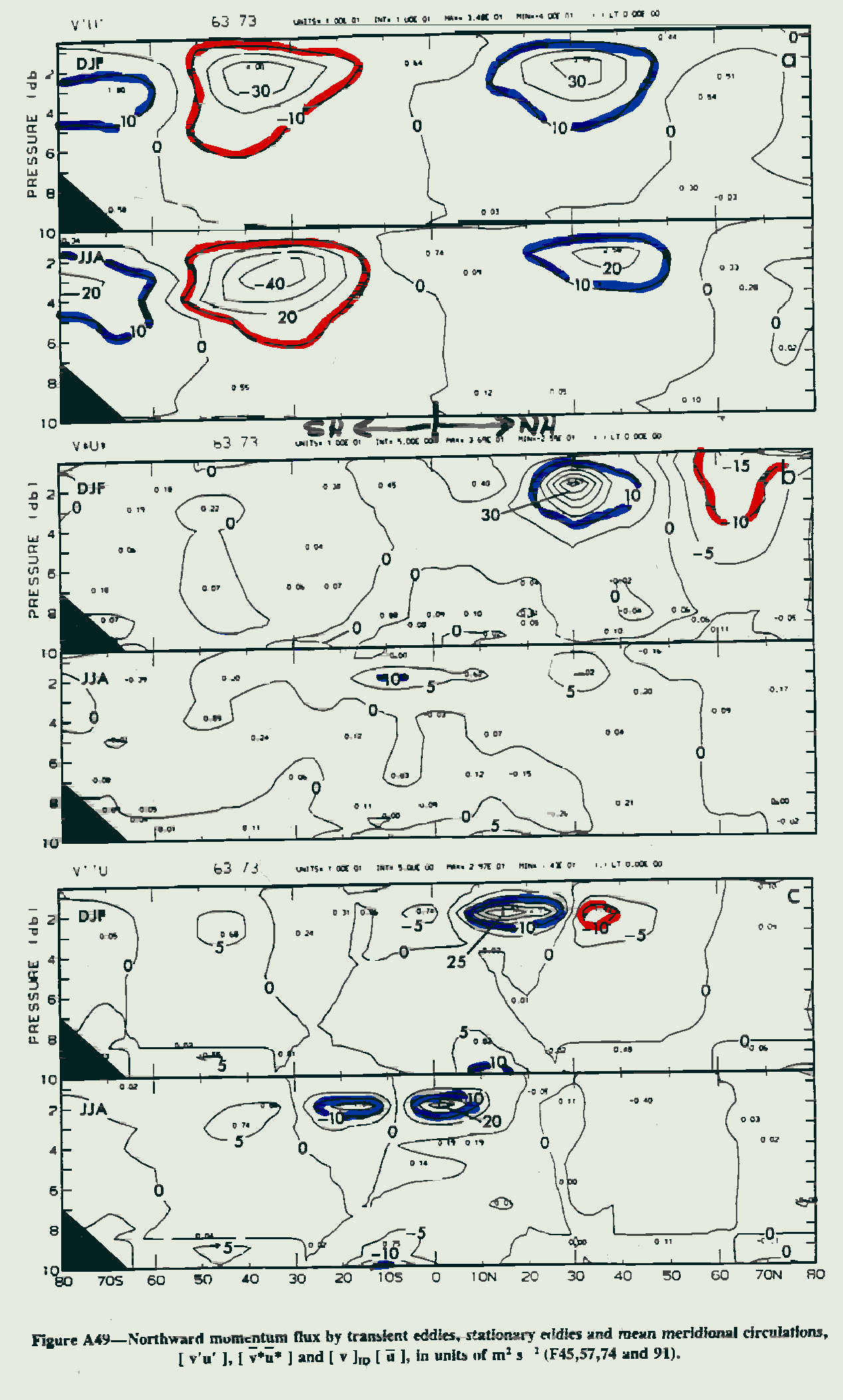
Poleward momentum transport
-
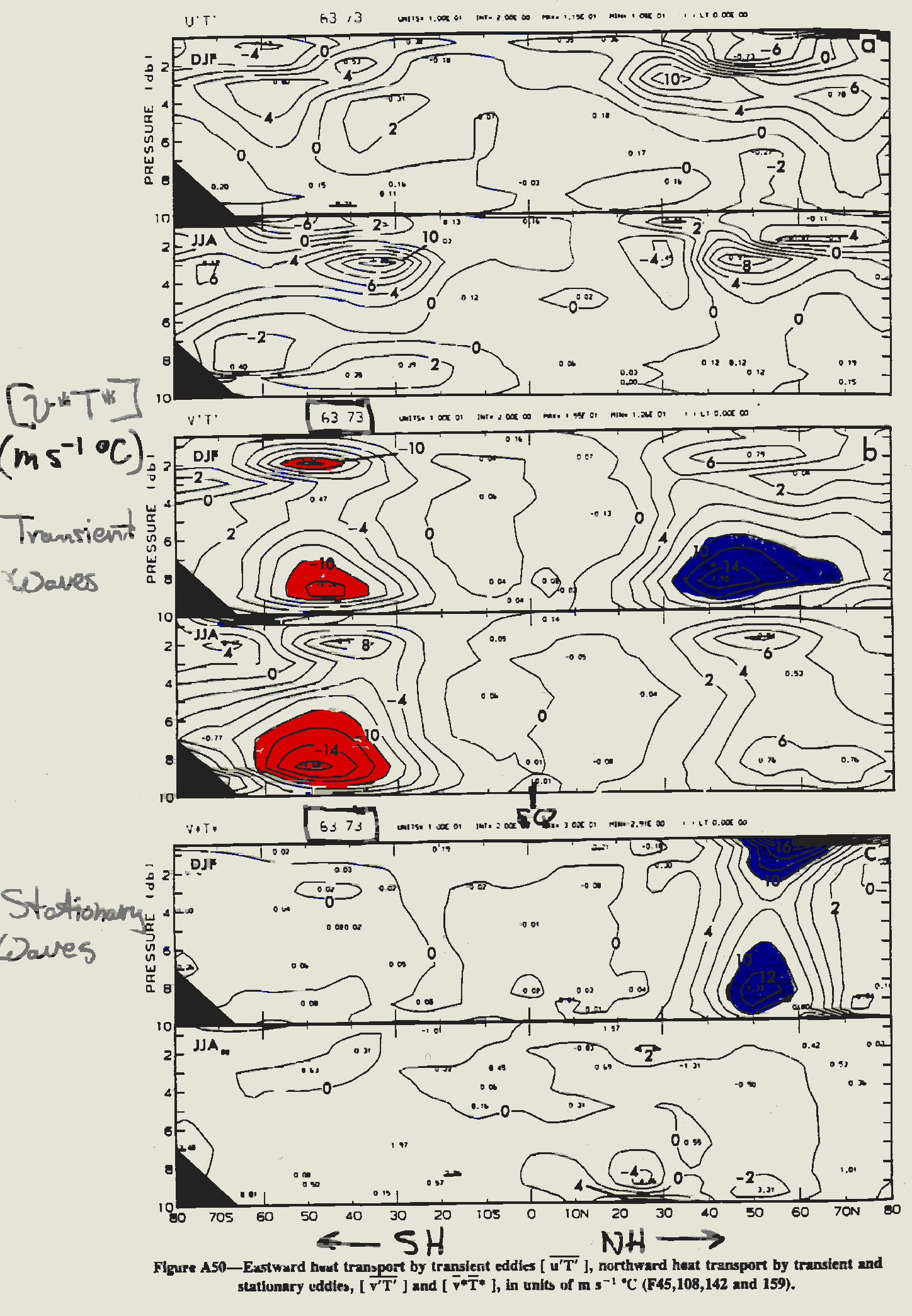
Poleward sensible heat transport
-
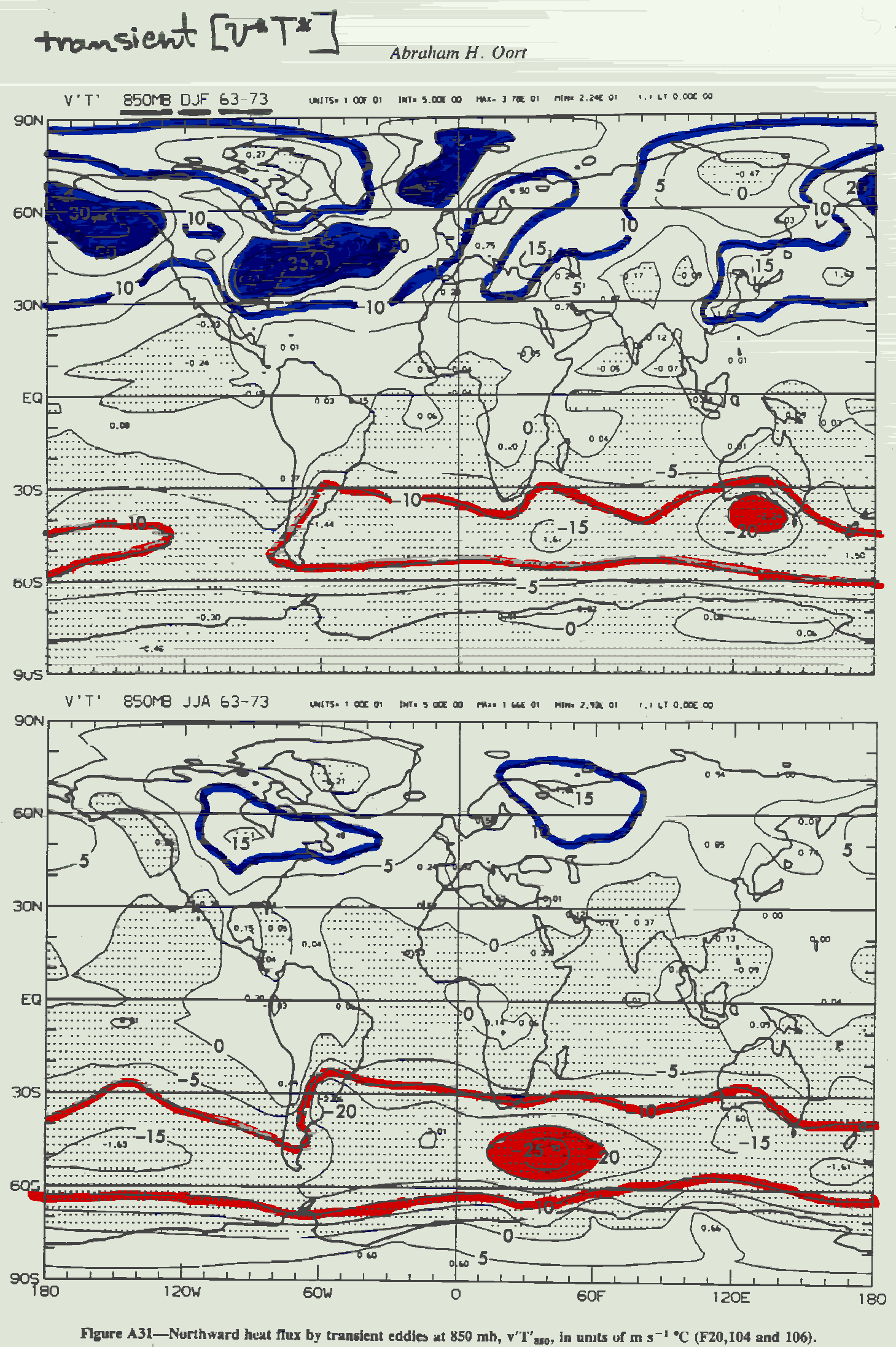
850 mb transient eddy flux of heat (lat vs. lon)
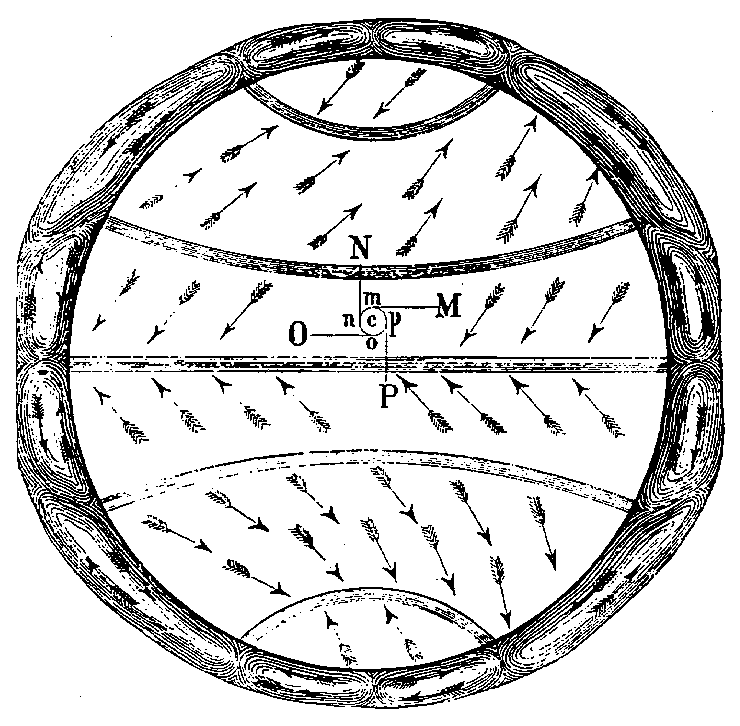
General Circulation Theories - History
-
Hadley (1735)
-
Dove (1837)
-
Ferrel (1856)
Water Cycle
-
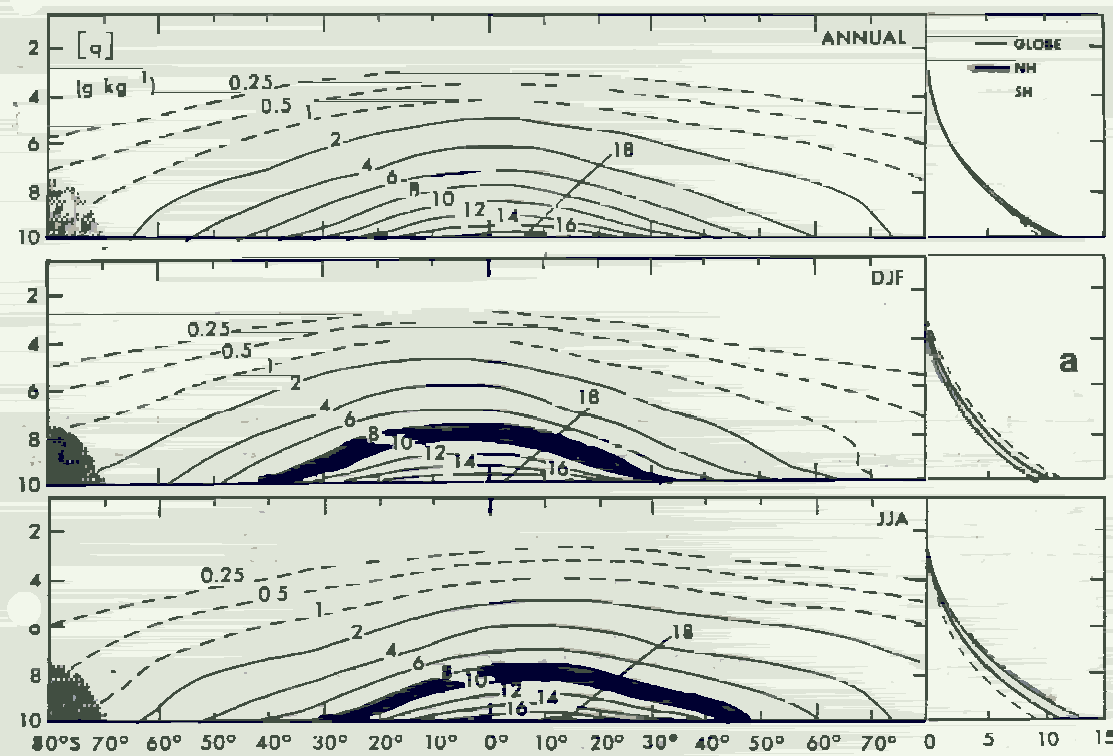
Zonal average specific humidity
-
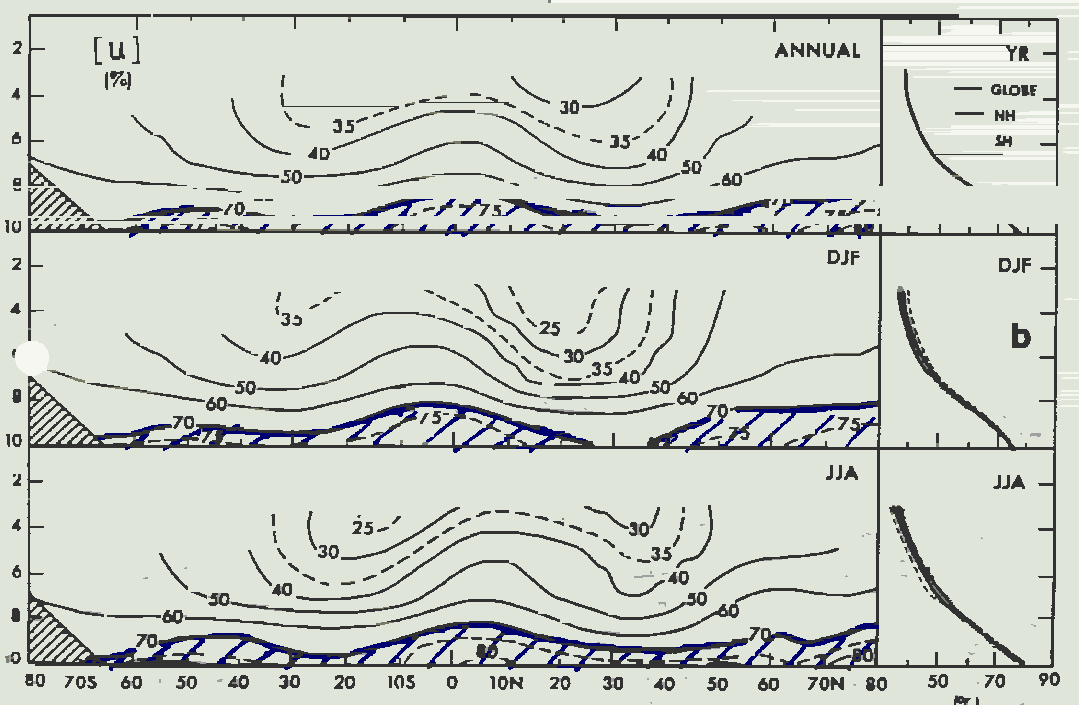
Zonal average relative humidity
Comparisons of General Circulation Model Simulations
-
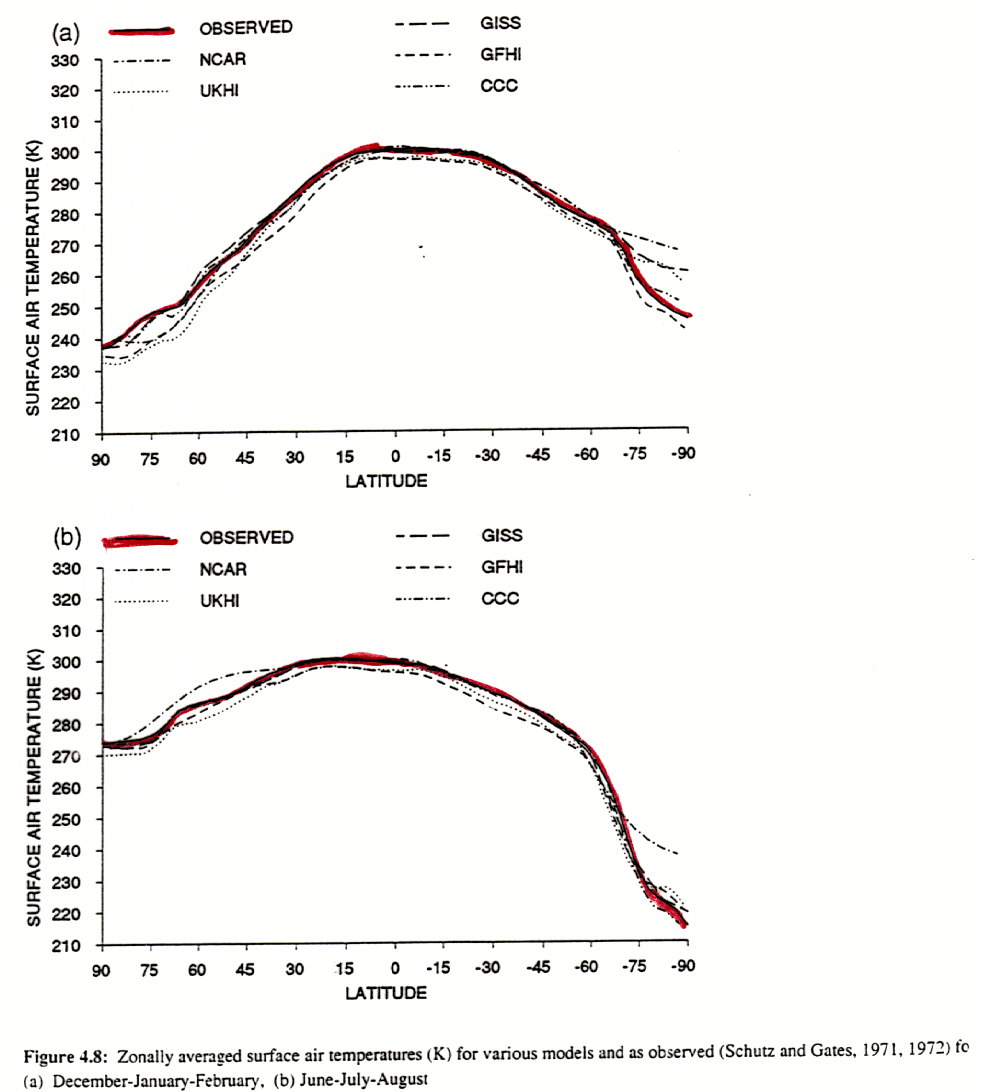
Obs. vs. simulated near-sfc. air temperature
-
Zonal ave. temperature errors in one simulation
-
Obs. vs. simulated 200 hPa zonal wind
-
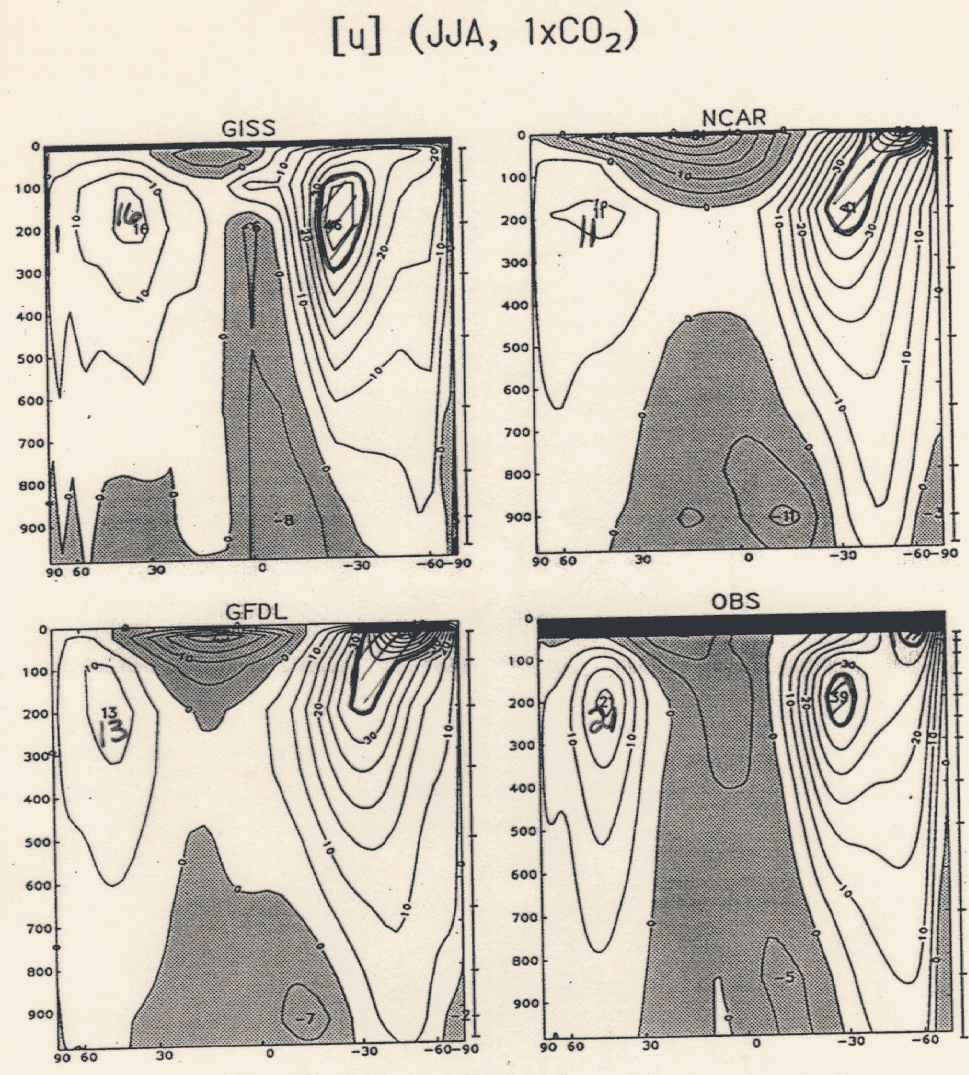
Obs. vs. simulated zonal ave. zonal winds (JJA)
-
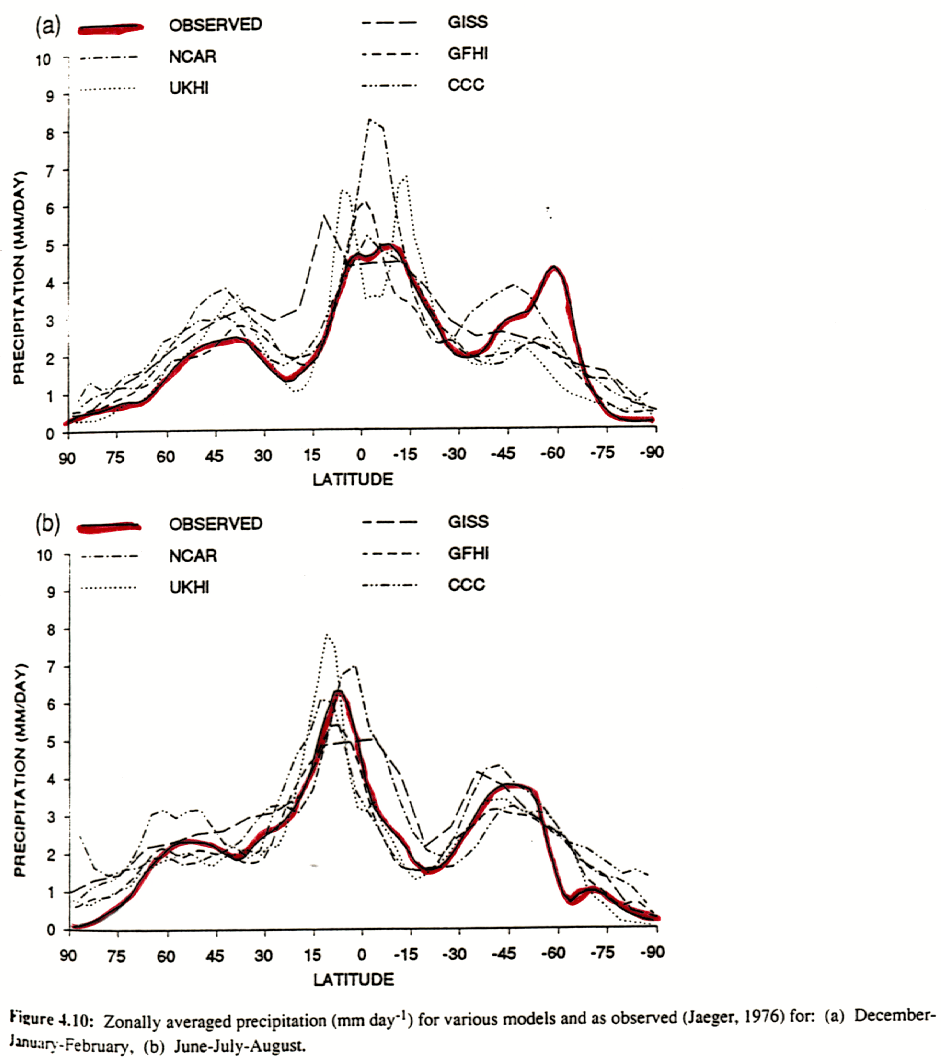
Obs. vs. simulated precipitation
-
Obs. vs. simulated soil moisture (JJA)
-
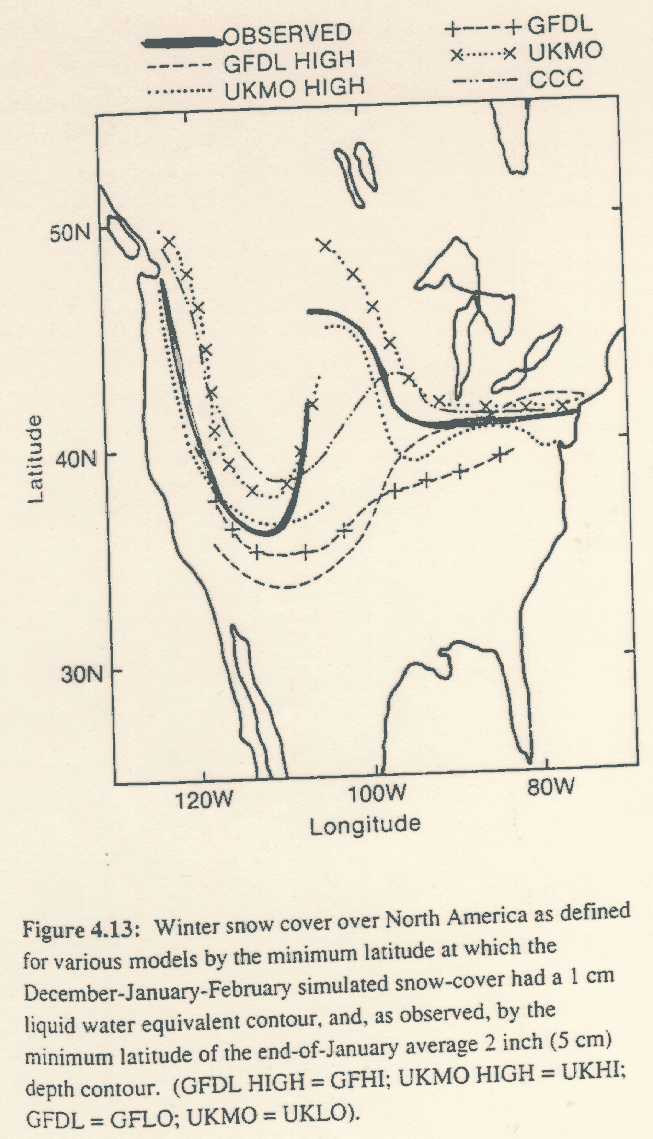
Obs. vs. simulated North America winter snow cover
Simulated Doubled CO2 Changes
-
Change in DJF surface air temperature: 3 Models
-
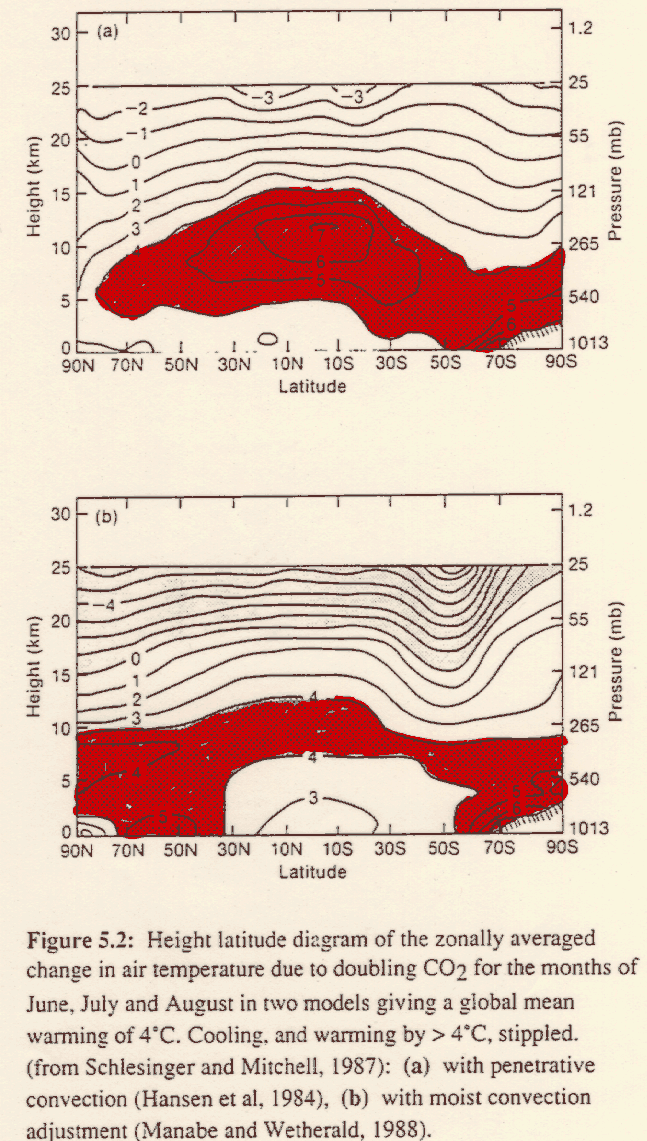
JJA lat-height temperature change: 2 Models
-
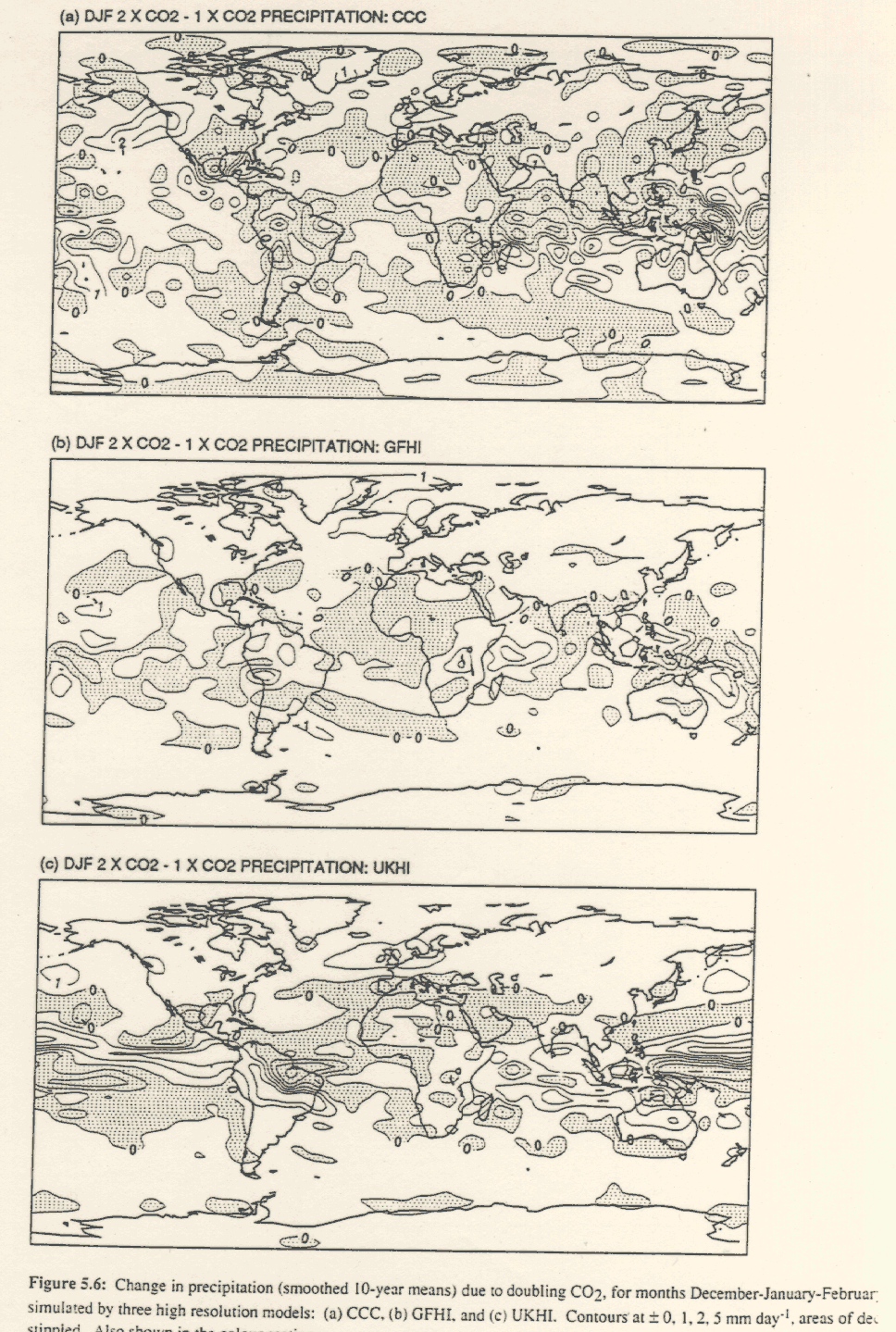
Change in DJF precipitation: 3 Models
Paleoclimate Simulation
-
Obs. data sites - as of mid-1980's
-
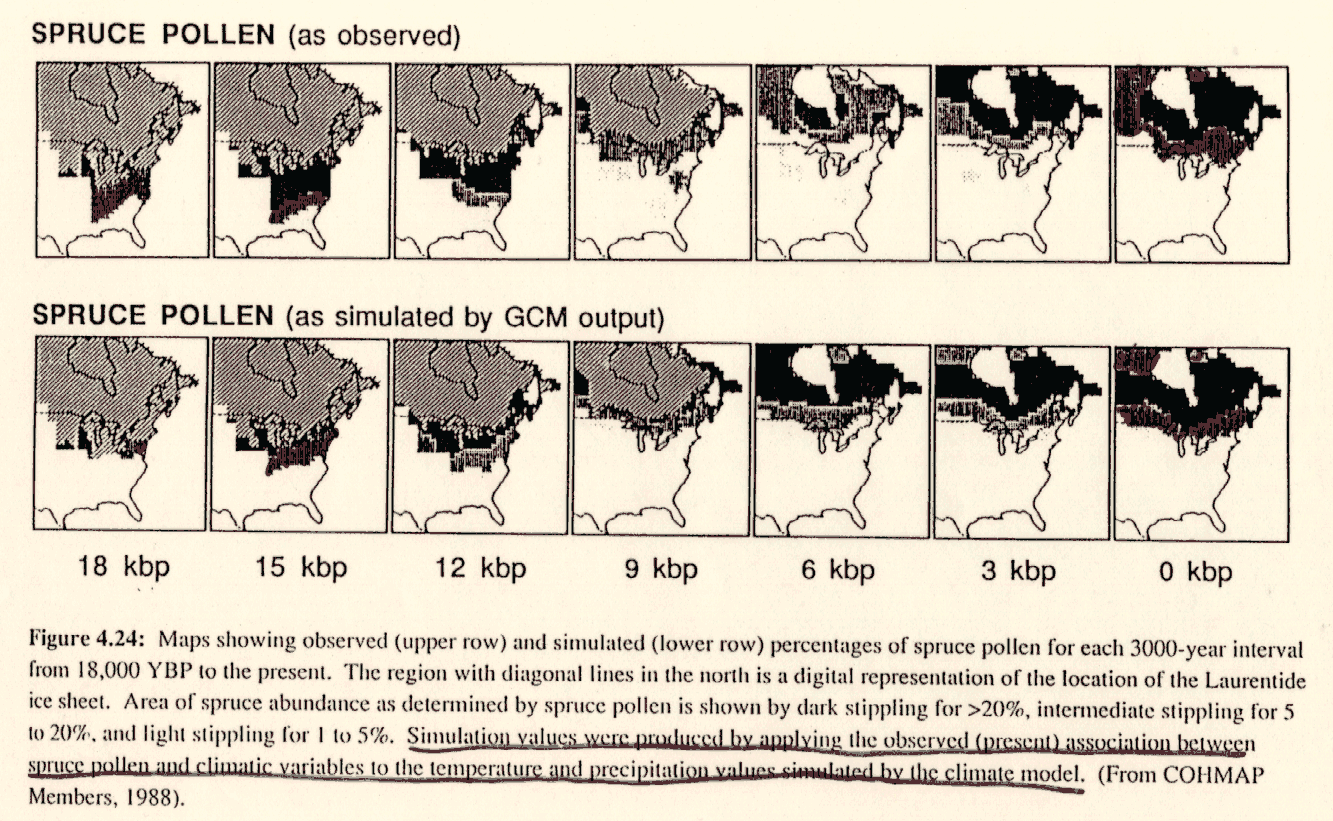
Obs. vs. simulated spruce distribution
Tropics
-
[T], [Z], [q] lat-ht cross-sections
-
Zonal average wind fields
-
Lat-ht cross-sections of zonal average kinetic energy
-
Lat-lon zonal wind: DJF & JJA
-
Temporal standard deviation of daily 500 hPa height: DJF & JJA
-
Satellite cloud brightness for equatorial Pacific (15-day average)
Stratosphere
-
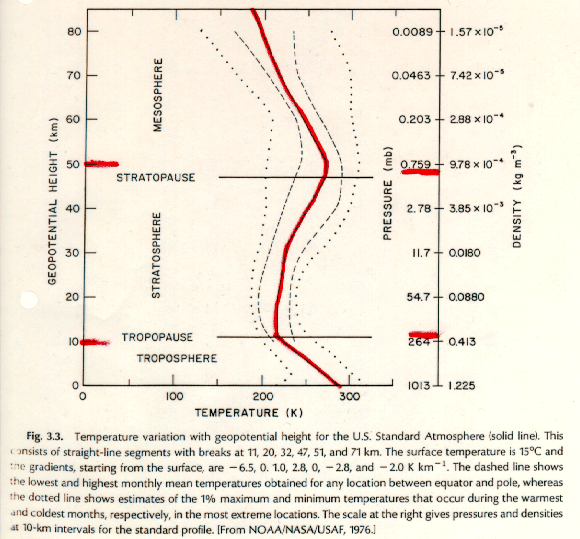
Standard atmosphere temperature vs. height and pressure
-
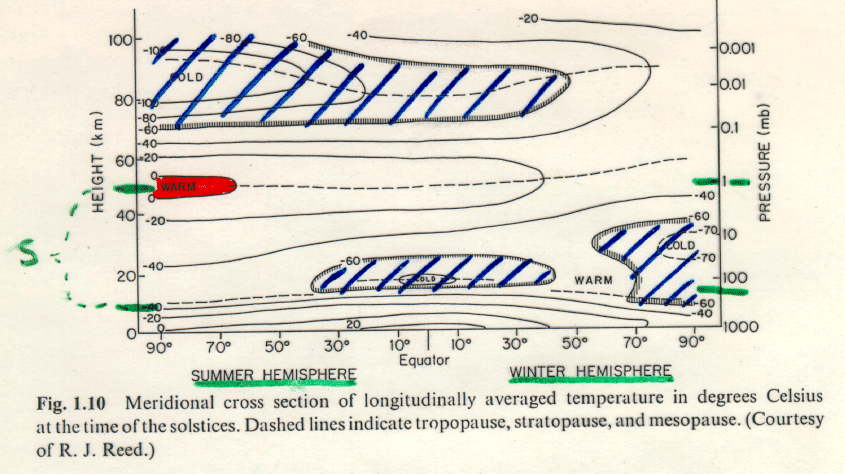
Lat-ht cross-section of temperature (winter & summer)
-
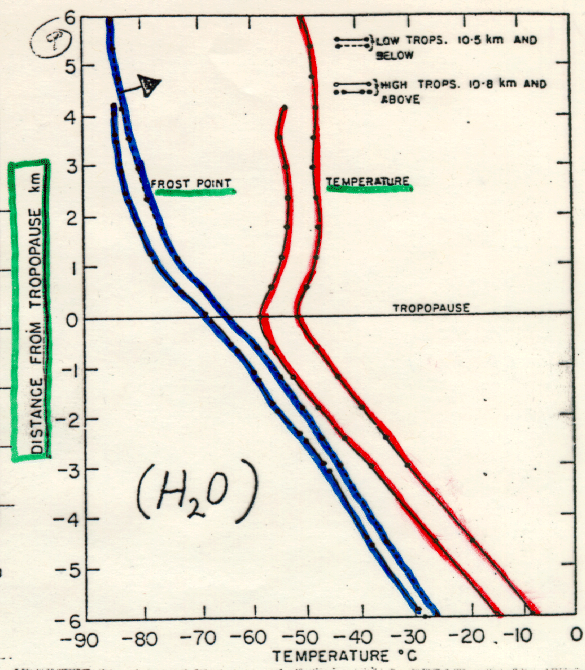
Temperature and dewpoint temperature vs. distance from the tropopause
-
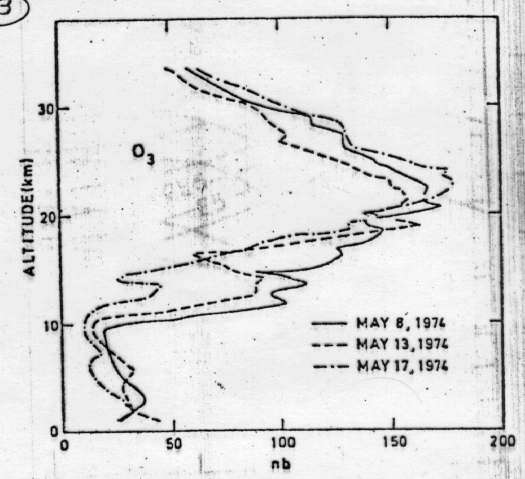
Ozone vs. height on three days
-
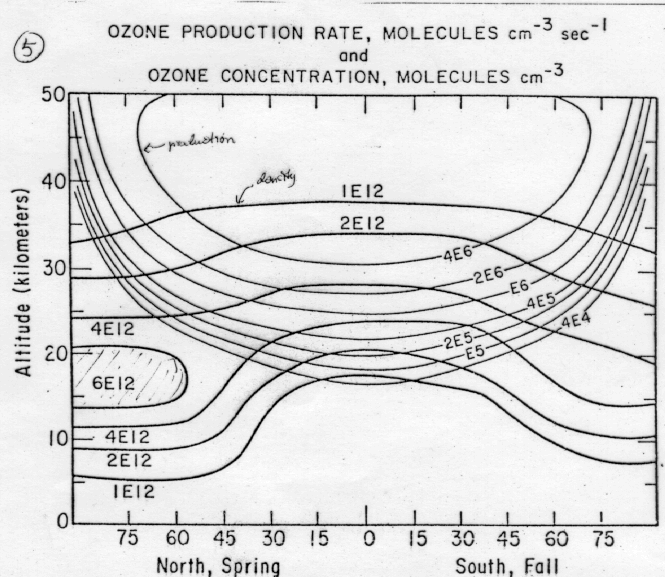
Lat-ht cross-section of ozone production and density
-
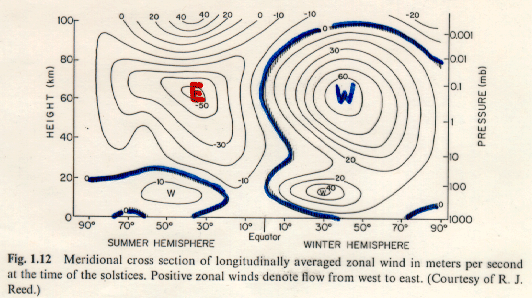
Lat-ht cross-section of zonal wind (winter & summer)
-
Time-height section of equatorial zonal wind (for QBO)
-
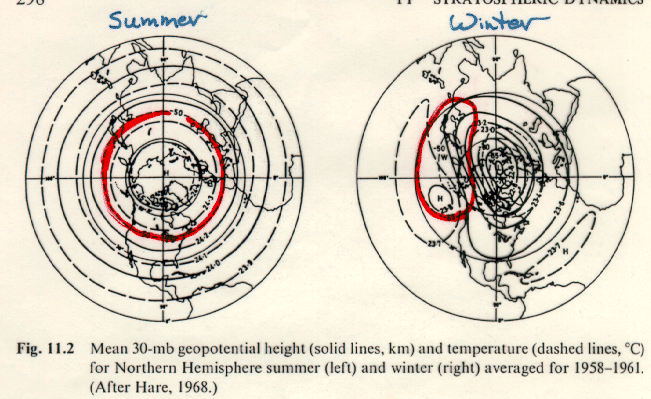
Time mean 30-mb geopotential height and temperature
-
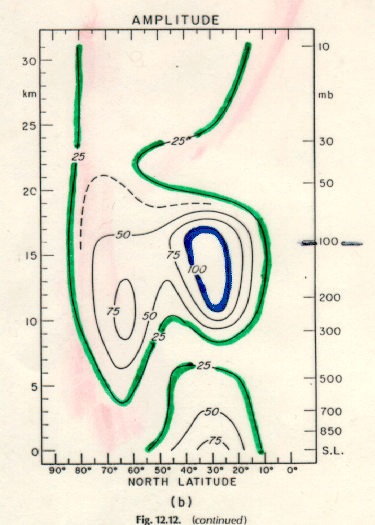
Lat-ht cross-section of wavenumber 1 amplitude (Dec-Jan-Feb)
-
Lat-ht cross-section of wavenumber 1 amplitude (July)
-
Lat-ht cross-section of zonal wind (winter & summer)
-
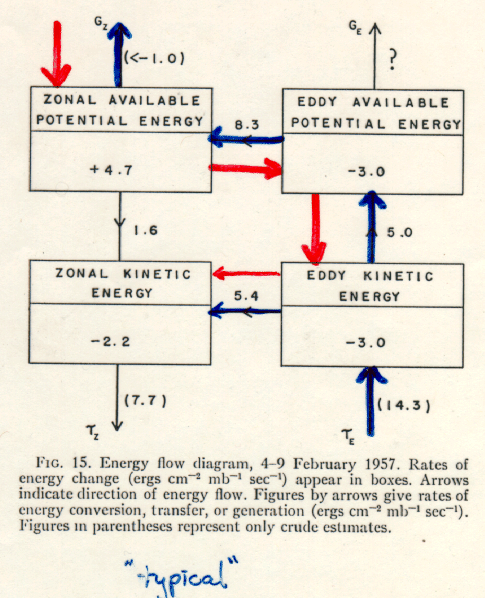
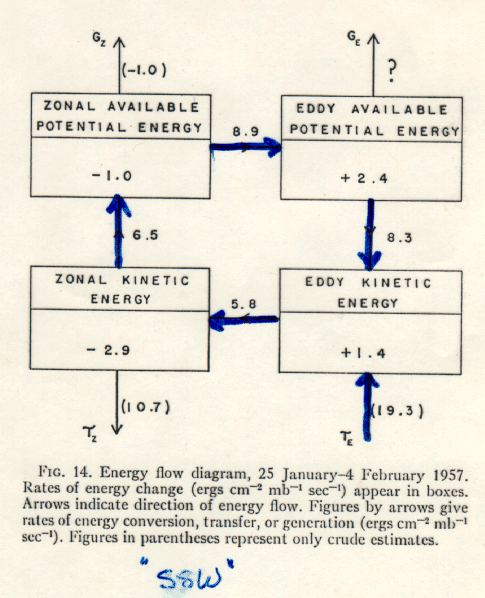
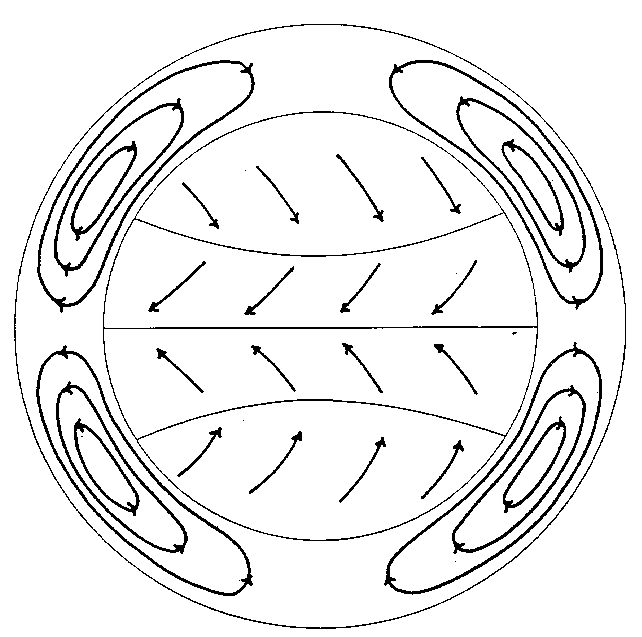
Energy box diagrams for typical conditions
-
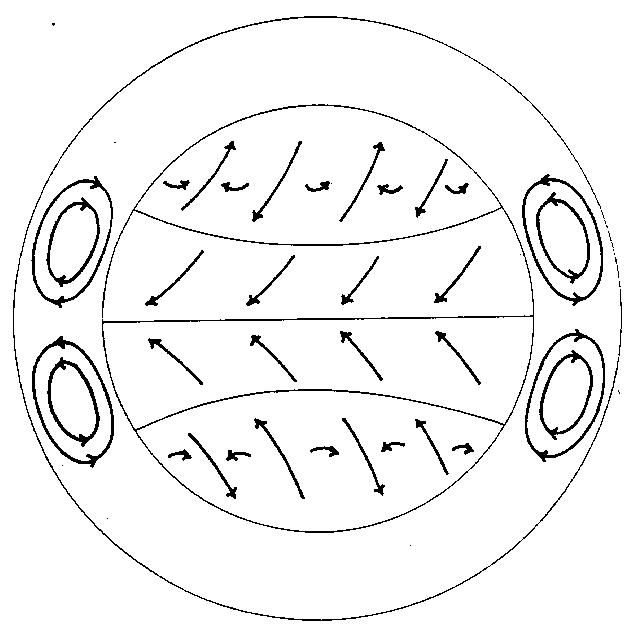
Energy box diagrams for sudden-stratospheric-warming conditions





![[T], [Z], [q] lat-ht cross-sections](http://www.meteor.iastate.edu/~mt206/mteor373x/tropical1.gif)